If you drive around Columbia long enough, the city will eventually throw something at your windshield. Sometimes it is a gravel truck dropping pebbles like confetti on I‑26. Sometimes it is a branch pitching itself off a pine tree after a summer thunderstorm. Whatever the culprit, the result is the same: a crack that starts as a hairline whisper, then creeps until it looks like a road map of the Midlands. When that happens, you need two things fast, a clear plan and a fair price.
This guide takes the guesswork out of windshield replacement in Columbia. I have spent years working with auto glass customers from Rosewood to Irmo, talking through quotes, scheduling mobile service in office parking lots, and sorting out the fine print with insurance adjusters who speak fluent deductible. Here is how the costs really break down, where you can save money mobile auto glass repair columbia without inviting trouble, and when repair beats replacement.
How much does windshield replacement cost in Columbia?
Prices float a bit with season and supply, but the local ranges are consistent. For a standard sedan with no special sensors, most Columbia drivers pay between 275 and 425 dollars for a full windshield replacement, parts and labor included. Trucks and SUVs run higher, usually 350 to 600 dollars. If your vehicle uses advanced driver assistance systems, expect a wider range, 500 to 1,100 dollars, because calibration adds time, equipment, and risk.
That is the short answer. The long answer depends on glass type, features, calibration, and how quickly you need the work done. Urgent jobs, like a Saturday replacement after a Friday night run‑in with a softball, may tack on a rush fee. If you ask for same-day windshield repair in Columbia during peak hours, you might pay slightly more, but not always. Many shops price by the job, not the clock, as long as they can fit you in without bumping calibration work.
Windshield repair vs replacement
Repair makes sense when the chip is smaller than a quarter, the crack is shorter than a dollar bill, and it sits outside the driver’s direct line of sight. Repairs in Columbia land in the 90 to 160 dollar range. They are quick, usually 30 minutes, and a solid repair restores strength while remaining visible only as a ghostly blur. Once a crack reaches the edges, propagates, or sits in front of the driver, replacement is the smarter and safer choice. A bead of urethane and a fresh pane do more for structural integrity than any resin can.
What drives the price up or down
I have watched two customers with similar vehicles get wildly different quotes. The difference is rarely random. Columbia’s auto glass market prices around several specific factors.
Glass type and OEM vs aftermarket decisions
Original equipment manufacturer glass is built from the same molds and spec, often by the same factories, that supply automakers. It tends to match curvature, frit borders, and acoustic layers perfectly. ODM and high-tier aftermarket glass can be excellent, but bargain panels sometimes have slight distortion around the edges or tint differences. In practical terms, here is what that means for your wallet:
- OEM glass increases cost by 100 to 300 dollars over quality aftermarket on common models, more on luxury vehicles. Acoustic laminated glass, the kind with a sound‑deadening layer found in many midrange sedans and SUVs, adds 50 to 150 dollars. Infrared or solar‑absorbing layers, rain/light sensors, heads-up display compatible glass, and embedded antennas each add a little, usually 25 to 100 dollars per feature.
If you lease a vehicle from a brand that is picky about returns, or you drive something sensitive to camera calibration like a late‑model Subaru or Honda, OEM or Tier‑1 equivalent glass often spares you headaches. If you own a well-loved commuter and you want a solid fix at a good price, high‑quality aftermarket glass from a reputable maker is absolutely fine.
ADAS calibration: the not-so-optional add-on
Modern windshields often house forward cameras and sensors for lane keep assist, automatic emergency braking, and adaptive cruise control. Replace the glass, and those cameras move a hair. That hair matters at 70 miles per hour.
Calibration comes in two flavors: static, using targets and precise floor measurements in a controlled bay, and dynamic, using a test drive at prescribed speeds on marked roads. Many vehicles require both. In Columbia, calibration can add 150 to 300 dollars for dynamic only, 250 to 450 dollars for static, and 350 to 600 dollars when both are needed. If your dash lights up like a Christmas tree after a replacement, the shop skipped a step or something drifted during curing. Ask any shop you call how they handle calibration, whether they do it in-house, and whether the cost is included in the quote.
Make, model, and curve
The glass on a Ford F‑150 is easy to source and generally friendly to install, which keeps cost reasonable. A European coupe with a curved windshield and tight trim clips fights back. A minivan with a deep dash and tiny access angles adds labor time. Luxury badges tend to mean sensor packages and acoustic layers. Every one of those pushes the price upward. Supply plays a role too: if the part is on backorder nationwide, local shops will pay more to get it quickly, and that cost flows to you.
Adhesive systems and cure times
Urethane is the glue that keeps the glass in place and the passenger compartment rigid in a crash. High‑modulus, fast‑cure urethane that meets OEM crash standards costs more than lower grade formulations, and it is worth it. Shops will give you a safe drive-away time, often 30 minutes to 2 hours, based on the adhesive used, temperature, and humidity. On a muggy July afternoon in Columbia, some adhesives cure faster than on a cold January morning. Faster cure does not always mean safer, but good shops balance both. If a quote is unusually low, ask about the adhesive brand and crash test compliance.
Mobile vs shop service
Mobile auto glass service in Columbia is a gift on a busy weekday. When a tech can meet you at your office near the Vista or in a Lake Carolina driveway, it saves time. Mobile setups carry costs, yet many shops price mobile service the same as in-shop unless the job involves static calibration that requires targets and a level floor. If calibration is needed, expect a shop appointment or a mobile tech paired with a return visit to their bay.
Insurance and deductibles
South Carolina does not have a statewide zero-deductible glass law the way some states do, so your cost depends on your policy. Comprehensive coverage usually pays for repairs with no increase in premium, but deductibles often apply to replacements. If your deductible is 500 dollars and your quote is 420, paying out of pocket is a no-brainer. If your quote is 900 because of ADAS calibration, using insurance may make sense. Local agents commonly pre‑approve glass claims fast, and many shops bill insurers directly. Confirm whether the insurer requires you to use a preferred network. You can choose your shop, but network choices can reduce your paperwork.
Budgeting smart: where to save, where not to
A windshield is not just a pane. It is part of your vehicle’s safety cage. Saving smart means cutting costs without cutting corners that matter. Here is how drivers around Columbia keep the bill sane.
- Get two quotes, sometimes three. Provide your VIN so each shop can pull the exact part and options. Quotes that differ by hundreds with the same glass spec usually point to calibration differences or adhesive quality. Ask for glass options. OEM, Tier‑1 aftermarket, and economy aftermarket are three lanes. Plenty of midrange options deliver clean optics and proper fit at a fair price. Check for mobile service fees. Many shops include mobile at no extra cost inside Richland and Lexington counties. If you see a line item fee, ask for in-shop pricing to compare. Time your appointment around weather. On a soaking day, mobile installations get tricky and may require rescheduling or extra steps. If you can be flexible, you avoid weather surcharges or delays. Use repair early. A 120 dollar resin fill today can prevent a 500 dollar replacement next month after a heat cycle spreads the crack.
That is one list. Let us keep the second one in reserve and stay with stories.
A teacher in Forest Acres called after a chip became a zigzag across two feet. She had a 250 dollar deductible and a quote of 440 for quality aftermarket glass with dynamic calibration. Using insurance shaved 190 off her out-of-pocket after claims processing, but the shop warned that the insurer’s network glass would take three days. She chose to pay cash, got installed the next morning, and saved two days of rental costs. The math checked out. Another driver with a 1,000 dollar deductible on a late‑model SUV absolutely used insurance because static plus dynamic calibration pushed the estimate near four figures. Budgeting is not just the price tag, it is the time you lose, the rides you have to arrange, and the surprise expenses that sneak in.
The Columbia context: climate, roads, and supply
Costs shift with local reality. Columbia’s heat promotes crack growth. That little chip after a highway run north of Chapin can stretch by the time your car bakes at a Five Points curb. Summer storms shake branches loose and slant rain sideways under carports. Construction on major corridors means gravel and debris. All of that drives higher demand for auto glass repair in Columbia throughout spring and summer, with a second bump during leaf‑fall season when crews are out on the roads.
Higher demand thins inventory. When warehouse stock dips, prices inch upward. You will notice the difference most on less common models and those with specialty acoustic or solar coatings. That is also why checking parts availability at the quote stage matters. A shop that has the glass in its local warehouse can schedule you for tomorrow and keep the price steady. One that has to overnight from a distant hub may pass along freight costs.
Same-day fixes: when you can realistically get them
Same-day windshield repair in Columbia is common for chips and short cracks. If you call in the morning and can move quickly, many shops will send a mobile tech before the afternoon heat sets in. Same-day replacements are possible too, though they depend on having the right glass and the right calibration gear on hand. High‑volume shops keep inventory for the most popular models, think Camry, Accord, F‑150, Civic, RAV4, Silverado. If you drive a trim package with a head‑up display, a specific shaded band, or an unusual sensor cluster, you are more likely to land next‑day.
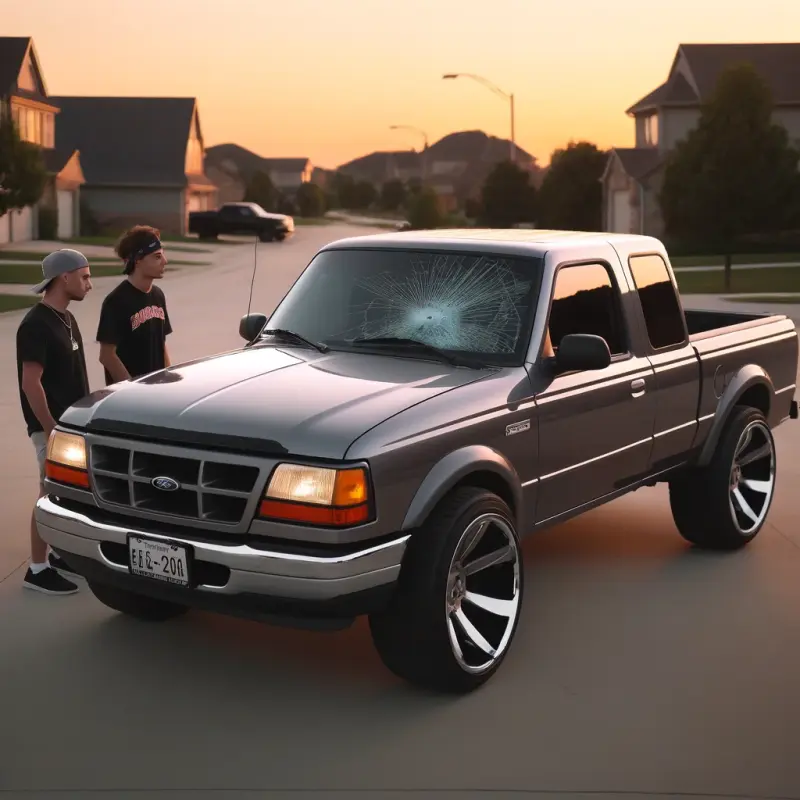
There is a speed trap hidden in the phrase same-day. You do not want a rush job that shortcuts cleaning the pinch weld, fails to remove rust at the edges, or skimps on primer. A careful installation with proper prep takes about 60 to 120 minutes, plus cure time. A mobile tech working in a parking garage can do an excellent job if the space is dry, well lit, and reasonably clean. If the rain is pouring and the wind is turning your driveway into a leaf blower test lab, reschedule to the shop.
How quotes are built: a peek behind the counter
When you call for a quote on windshield replacement in Columbia, the service advisor enters your VIN into a parts database. That pulls up options like green or blue shade, acoustic layer, solar coating, rain sensor, condensation sensor, HUD compatibility, and camera brackets. Each option maps to a different part number. If the advisor guesses, you get a quote that might change. If they ask guiding questions, like whether your mirror base has a camera or if your windshield shows a dotted outline for a HUD, they are trying to pin down the exact part.
Labor times are set by standardized guides, then adjusted for real-world experience. A tech who has replaced the same Jeep Cherokee windshield 300 times knows where the clips snap and how to avoid breaking the cowl. That confidence often shows up as a more precise quote and fewer surprise fees. Calibration adds a block of time that cannot be waved away. If a shop quotes a low price with no mention of calibration on a vehicle that clearly needs it, ask them to confirm in writing what systems they will calibrate and how they verify success.
Mobile auto glass service: when it helps and when to head to the shop
Mobile service reduces your time cost. It is ideal for straightforward replacements, chip repairs, and dynamic calibrations that require a test drive anyway. The best mobile crews come prepared with a portable power source, proper glass racks, a windshield stand, new molding and clips, and pot-life timers for urethane. They will also carry rain shields and tarps for marginal weather.
Head to the shop for static calibration, complex trim disassembly, heavy rust remediation around the frame, or when the outside temperature is extreme. Adhesive chemistry hates extremes. On a chilly morning after a cold front, the shop can control conditions better than your driveway can. If a mobile appointment is available but the weather will make a mess of things, take the early in-shop slot. Your future self will thank you when a summer thunderstorm hits and your windshield stays bone dry.
Car window replacement beyond the windshield
Side and rear glass play by different rules. Side windows are usually tempered, not laminated. They shatter into crumbs with a burglar’s punch or a stray baseball. Rear windows can be tempered or laminated, and many include defroster lines and antennas. Prices vary, but side windows in Columbia usually land between 200 and 350 dollars installed, while back glass ranges from 300 to 650 dollars, depending on defrosters, wipers, and integrated spoilers. Mobile service is straightforward for sides, trickier for back glass on SUVs with complex trim.
One note on defrosters: if you opt for a low-cost rear glass with off-brand defroster lines, you may discover weak performance on cold mornings along Gervais Street. Stick with reputable suppliers. The cost difference is not huge, and it saves you from scraping ice with your grocery rewards card.
Safety and quality checks you should insist on
You do not need to micromanage a professional, but a few simple checkpoints protect you and your budget.
- Confirm the glass brand and part number on the work order. Keep a copy for your records. Ask for the adhesive brand and the safe drive-away time. If you are handed a number without context, ask what temperature and humidity it assumes. Verify that ADAS calibration was performed if your car requires it. You want a before and after report, not just a technician’s nod. Check the moldings and trims for fit. A tidy perimeter now prevents wind noise that will drive you crazy on I‑20 later. Inspect inside for stray shards and outside for urethane smears. Good shops clean thoroughly and return your car the way they found it, minus the crack.
That is the second and final list. The rest is judgment and experience.
Working with insurance without losing control
If you file through insurance, you will likely be routed to a third‑party administrator that handles glass claims. They maintain networks of preferred shops for cost control. You can still choose your own shop. If you want a particular installer because your neighbor swears by them, say so. Make sure the shop can bill your insurer directly, confirm whether calibration is covered, and understand any caps for non‑network glass. If the insurer pushes economy glass and you want OEM for a lease return, negotiate. Provide your lease return terms or a service bulletin that specifies OEM for camera clarity. Polite persistence usually wins.
Be wary of a door‑to‑door solicitor who appears after a storm and promises a free windshield with a signature. Some are legitimate canvassers, others are not. A reputable auto glass repair Columbia provider will share a physical address, a landline, references, and proof of insurance. If anything feels off, call a known shop instead.
Timing repairs to protect your budget
Columbia’s heat does not just make pavement shimmer, it makes glass expand and contract. A small chip on a 100‑degree day can spread across a windshield after sundown when the temperature drops fast. If you can, schedule a repair within 24 to 72 hours of noticing a chip. Keep a clear piece of tape over it to keep out dirt and water until you get to the shop. Park in the shade. Avoid slamming doors; the pressure wave can lengthen a crack. Small steps slow the damage so a 120 dollar repair stays a repair.
If your schedule is tight, mobile auto glass service in Columbia can meet you at work, the ball field, or your driveway after dinner. The extra coordination beats paying for a full replacement because life got in the way for a week.
Real numbers from local patterns
Over the past couple of years, the common combinations look like this:
- A 2015 to 2019 Honda Accord without HUD, with a rain sensor, runs 380 to 560 dollars with dynamic calibration, aftermarket Tier‑1 glass. A 2020 to 2024 Toyota RAV4 with camera and lane assist, often both static and dynamic calibration, 550 to 900 dollars, OEM adds 150 to 250. A 2013 to 2018 Ford F‑150 without camera, common glass, 300 to 425 dollars, same‑day availability is strong. A 2019 to 2023 Subaru Outback with EyeSight, highly calibration sensitive, 700 to 1,100 dollars. This is one of the few where OEM or top‑tier equivalent is strongly advised to avoid image distortion. A 2012 to 2016 Chevy Cruze, no sensors, 275 to 375 dollars, repairable chips drop that to about 120.
These are not quotes, just patterns that repeat. If your number lands far outside, dig into the reasons. You may find added features you did not realize you had or a parts supply crunch.
The quiet value of a good install
Perfect glass is useless if the bond is bad. A windshield contributes significantly to roof strength in a rollover and acts as a backstop for the airbag on deployment. The installer’s prep makes or breaks that performance. That is why a shop that spends 10 minutes longer scraping, cleaning, priming, and letting the primer flash is worth the price. They are also the ones who refuse to reuse deformed moldings or brittle clips just to shave a few dollars.
You can spot the pros. They will ask you to open the doors gently for the first day to avoid dislodging the setting glass. They will tape the top edge for a few hours and tell you when to remove it. They will warn you off the car wash for 24 to 48 hours so high‑pressure water does not lift the molding. They will offer a workmanship warranty in writing. Those small things separate a just‑OK install from a silent, sturdy one that disappears from your mind entirely until a new rock shows up.
Where to start if you need help now
If you need windshield replacement Columbia level fast, take five minutes to arm yourself before you call around. Grab your VIN, insurance card if you will file a claim, and a quick photo of the sensor cluster by your mirror. Decide whether mobile or in‑shop works better given your day and the weather. Then make two calls, not eight. Ask about glass brand options, calibration method and cost, adhesive brand and drive‑away time, mobile fees, and earliest appointment. If a shop answers clearly, can schedule promptly, and gives you a number that fits the ranges here, you are in good hands.
As for car window replacement Columbia wide, the same rules apply. Verify the glass spec, ask about tint match for side windows, and confirm cleanup. A shop that brings a powered vacuum for the hard‑to‑reach corners of your door panels is the shop that cares about the details.
Your windshield is not a luxury. It is clear armor, quieting the cabin on I‑77, resisting the sudden jolt when a dump truck sheds a stone on Shop Road, keeping the structure intact when fate tests it. Spending wisely is not about chasing the cheapest line on a spreadsheet. It is about paying for the parts and steps that matter, skipping the fluff, and choosing a team that treats safety as a standard, not an upsell. If you do that, you will be back on the road with a view as clean as a winter sky over the Congaree, and a budget that stayed intact.